


Photo credit: Andre Silva Pinto
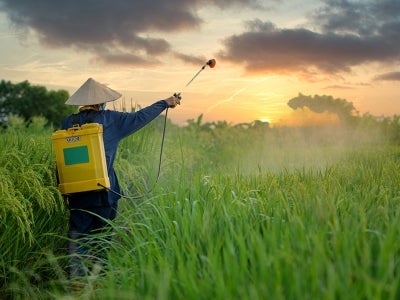
The COVID-19 pandemic has intensified the warning bells about our broken food system. As farmers and consumers grapple with disruptions in the global food supply chain, we are witnessing an exacerbation of threats to the natural environment. Since start of the pandemic, increases in deforestation and forest degradation, illegal wildlife exploitation, plastic pollution, and urban waste have been recorded in different parts of the planet, further exposing inherent inefficiencies, fragilities, and vulnerabilities of the food system at all levels. To address these challenges and “Grow, Nourish, and Sustain Together” as the FAO is calling for this World Food Day, we will need to support new ways of doing business.
With the global population projected to exceed 9 billion in the next two decades, there is no question that food production and supply must be increased to keep up with demand. At the same time, the world needs to dramatically reduce the food system’s impact on biodiversity, ecosystems, and ecosystem services. With 50 percent of the planet’s landmass (excluding deserts, permanent ice, and lakes) being used to grow food, the potential for exacerbating environmental degradation will only increase as agriculture continues to expand. Continued tropical deforestation will have outsized impacts on biodiversity, as tropical forests support approximately 70 percent of the world’s plant and animal species. The food system also consumes far too much water, generates unsustainable levels of pollution, and contributes to climate change.
Challenges on this scale can only be tackled by transforming food systems, so that they embed sustainability from farm to fork, generate agricultural commodities without deforestation and habitat conversion, and restore soils and degraded areas back into natural ecosystems or into productivity (relieving pressure for further conversion). The challenges are integrated; the solution needs to be as well, and sustainable land use must be at the heart of delivering long-term solutions. This integrated, system-wide approach to natural resource management is at the core of the Global Environment Facility’s work investing in food systems, and is reflected in several major programs launched over the last five years.
First is a program on Fostering Sustainability and Resilience for Food Security in Africa, which spans 12 countries across the dryland regions of sub-Saharan Africa, focusing on smallholder agriculture and food value chains. The program, led by the International Fund for Agricultural Development (IFAD) and development partners such as the Alliance for a Green Revolution in Africa (AGRA), is investing nearly $1 billion (including $120 million in GEF grants) in integrated practices that will not only increase food security for millions of smallholder farm households, but will ensure long-term sustainability and resilience of their production systems.
The GEF is also supporting a global pilot program on Taking Deforestation out of Commodity Supply Chains, which is focused specifically on beef, palm oil, and soy that by some estimates together account for 70 percent of tropical deforestation. The program led by UNDP is investing about $450 million in GEF and other financing to promote a holistic approach to sustainability that encompasses the entire supply chain of these commodities. Through engagement with a full range of stakeholders, from small-scale producers to traders and processors, national governments, and global corporations, the program is developing and deploying innovative tools and practices that will shift the entire supply chains toward sustainability.
Building on experiences with these two programs, the GEF together with the World Bank Group has launched a new global Impact Program on Food Systems, Land Use and Restoration, which will mobilize over $1 billion (including about $400 million in GEF grants) to support transformative action in food and commodity supply chains in close to 30 countries. The program supports a system-wide approach that brings together strategies and stakeholders through both horizontal (interventions with actors within landscapes, policy reform, governance strengthening, etc) and vertical (food value and supply chain commitments and financing) dimensions. At the core of this approach is the need for comprehensive land use planning to align priorities for development needs while protecting the natural environment and associated ecosystem services.
As we look to ahead to the post-COVID landscape, we know that efforts to transform food systems and land use must continue to integrate holistic, system-wide approaches. This will ensure that investments in a green recovery consider all aspects of the food supply chain and streamline innovations to meet the rising demands for safe, nutritious food while eliminating the risks of negative externalities. Such innovations will include options for advancing nature-based solutions in production systems and increasing efficiencies in the food supply chain. Governments and the private sector must come together to create the enabling environment and investment opportunities to mobilize and inspire meaningful change with all other stakeholders, including potential for harnessing the growing influence of women and young people in the global food system.
Achieving this change is a critically important part of the GEF’s core mission of safeguarding the global environmental commons – our climate, biodiversity, forest, land, oceans, and freshwater systems. Globally, the food system is a driving force behind much of the environmental degradation that is affecting the health of our planet. Transforming the way we produce, process, distribute, and consume food is top priority as we work to safeguard and restore planetary health. The 2021 Food Systems Summit convened by the UN Secretary-General will offer a high-profile opportunity for the global community to rally around this agenda and it is critical that we spend this months leading up to it focused on supporting and shaping the future of food systems.