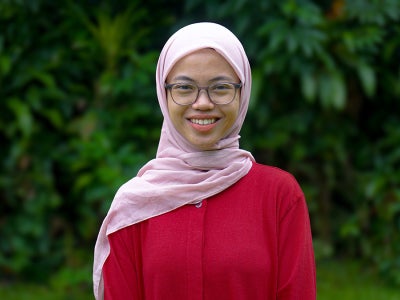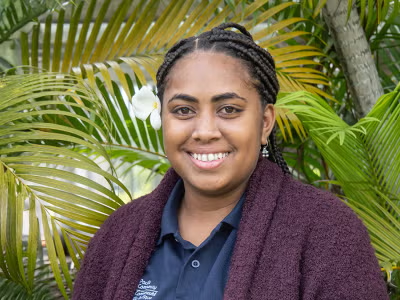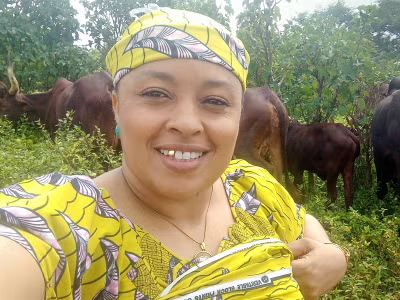

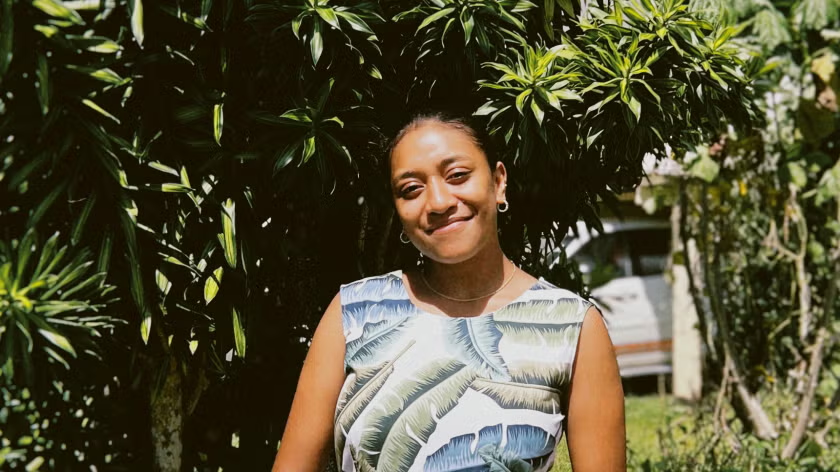
Photos courtesy of Jessie Siga
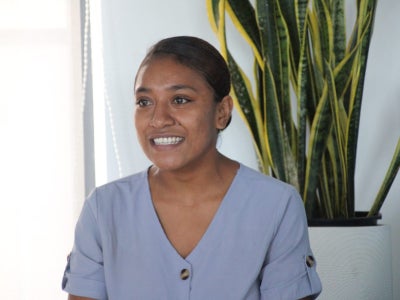
Jessie Siga is a Fijian advocate for marine conservation and biodiversity. She is an active member of the WWF Pacific Volunteer Program as well as the UN Decade Youth Taskforce on Biodiversity Restoration. In a GEF Voices interview, she reflected on her the long-term impact of today’s work to advance conservation for the land and the sea.
What do you do for a living? What are you currently focused on?
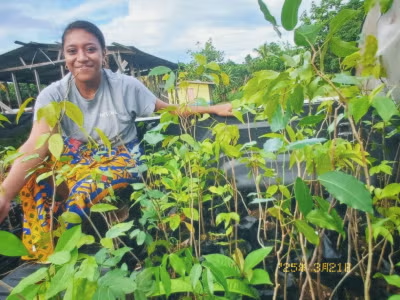
I am a conservation officer for the Ministry of iTaukei Affairs in Fiji, serving the greater Nadroga Navosa province with over 100 villages and 22 districts. I work closely with natural resource owners' committees, focusing on natural resource management, climate adaptation, and protection of biodiversity.
How did you get into this line of work?
I have been passionate about environmental sustainability and conservation my whole life and the rising climate issues facing my small island nation have only ignited the spark to help. I studied environmental science and later pursued a postgraduate diploma in climate change which landed me on this appointment that I am so grateful for.
Has anyone you have met through your work made a lasting impact on you?
I have met lots of people that inspire me but one that stands out is Manoa Duwai, a good colleague of mine and the co-founder of the Naidiri Marine Biodiversity Park in Fiji. His organization is dedicated to improving ocean health and engaging youth in protecting the marine environment. The Naidiri Youth Club that manages the marine protected area won the #OceanLoveAward in 2025. His conservation journey has taught me that it takes time to see impact, but with passion and determination, acting locally leads to global change.
What life lessons has your job taught you?
The importance of patience. We may not see the benefits of conservation work with our own eyes, but future generations will. Secondly, to always be grateful for what I have, as there are many communities in Fiji struggling with environmental issues and do not have the resources to combat these issues. Lastly, speak less and listen more. I’ve learned so much from communities that I work with that possess invaluable Indigenous knowledge and science that has been practiced for hundreds of years in Fiji before colonialism.
The state of the global environment is concerning. What gives you hope?
I see more young people like me getting into the climate space and taking ownership of projects. This is the hope for our future. We must recognize the right of people to take the lead on climate change, especially in Fiji, where the people are deeply rooted to the land and sea.
What advice would you give a young person interested in a career like yours?
Go out of your comfort zone and learn as much as you can and do as much as you can. Do not underestimate voluntary work –– while it may not have monetary benefits, it can surely grow one’s knowledge, experience and wisdom.